DENEYAP TÜRKİYE

With the contributions of these four important institutions that contribute to the development of young people in Türkiye, especially in the field of technology, DENEYAP Türkiye has been implemented.
What Is DENEYAP Türkiye?
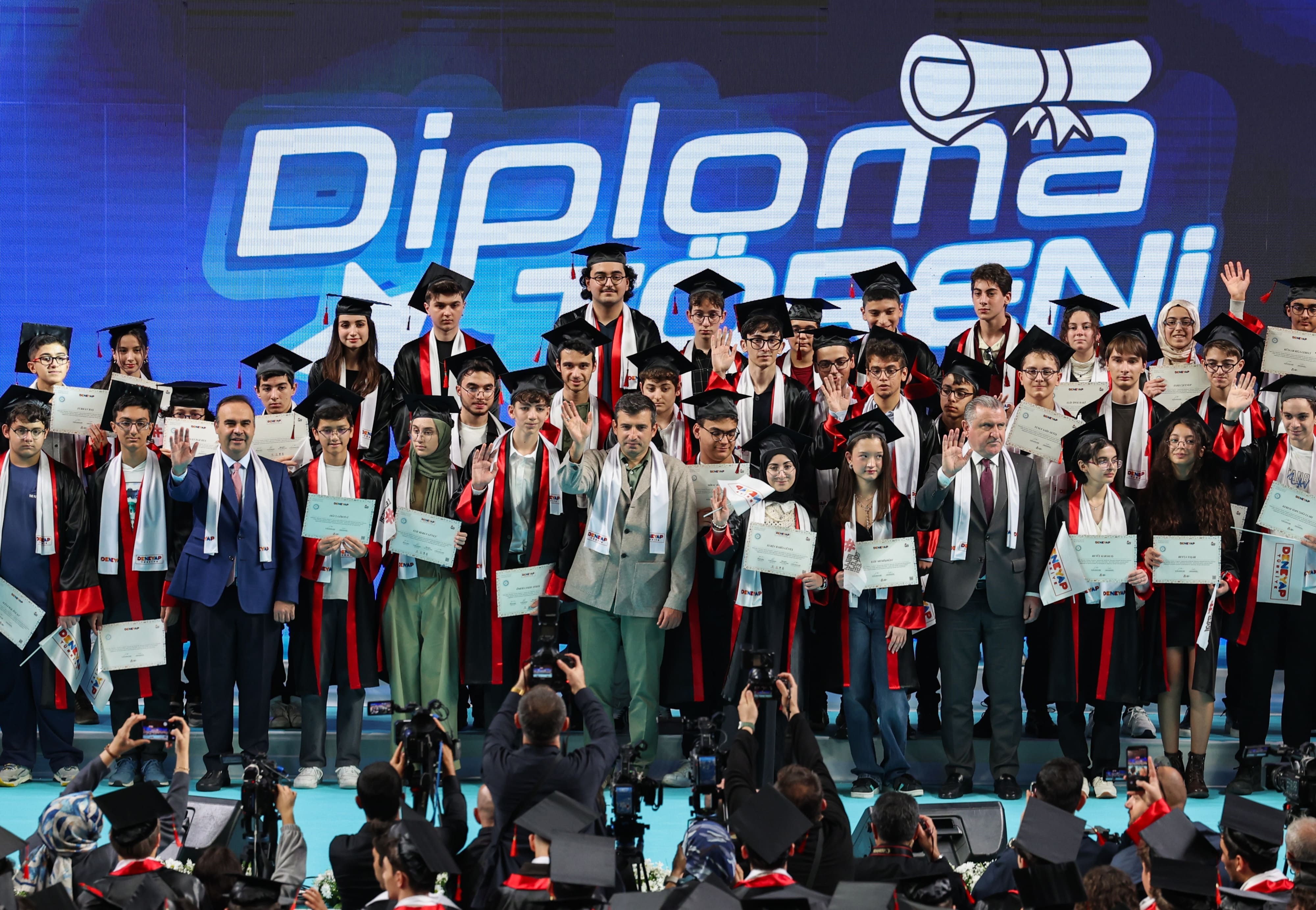
DENEYAP Türkiye is a national educational initiative launched in 2018 to expand the project structure of DENEYAP Makers Labs across the country. Within the framework of our Presidency's "First 100 Day Action Program," a strong cooperation was established to set up 100 DENEYAP Makers Labs in 81 provinces. In this context, DENEYAP Türkiye was brought to life through the partnership of the Republic of Türkiye Ministry of Industry and Technology, the Republic of Türkiye Ministry of Youth and Sports, TÜBİTAK, and the Turkish Technology Team Foundation (T3 Foundation).
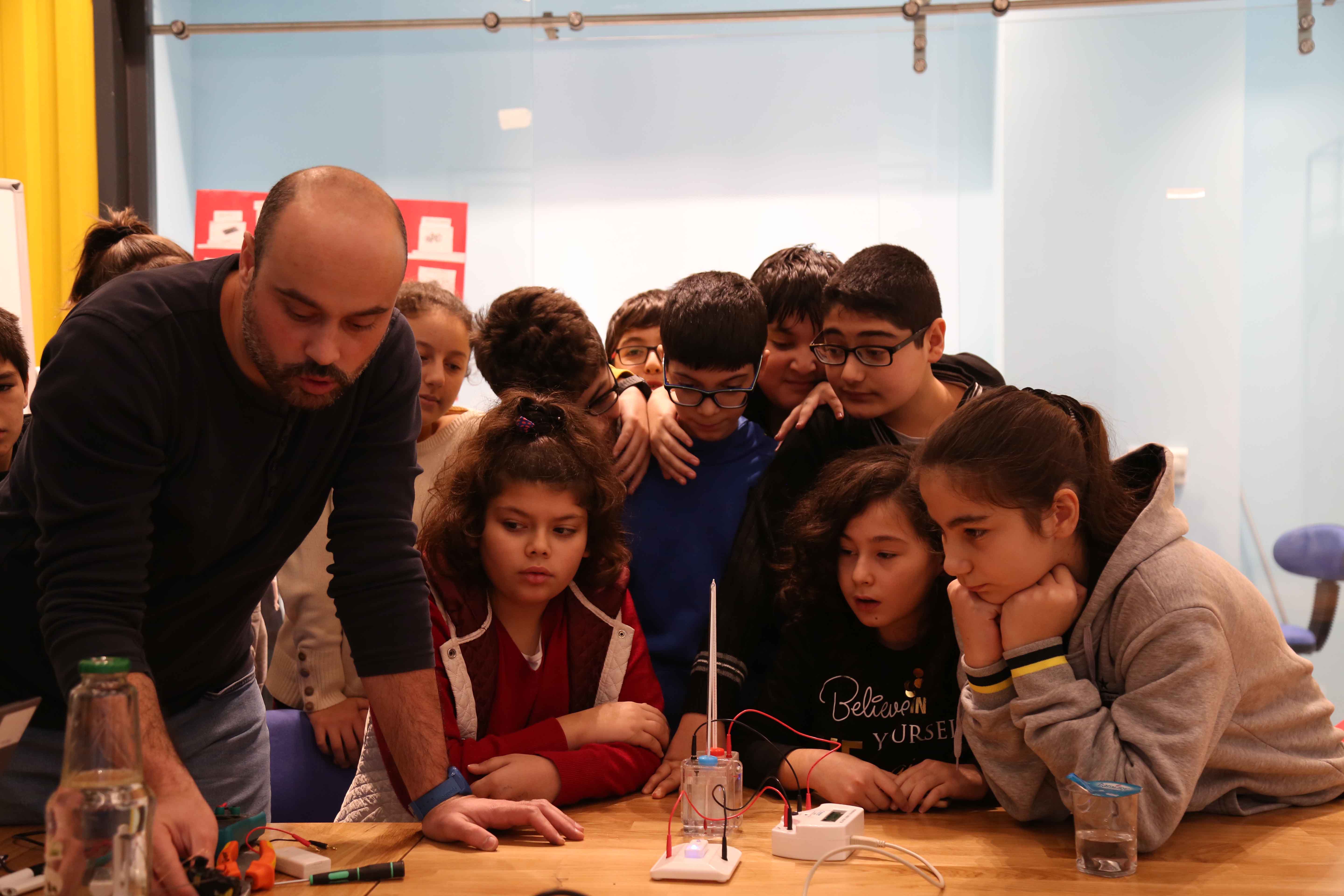
DENEYAP Türkiye offers a long-term and applied education model aimed at providing middle and high school youth with competence in the field of technology. While students learn to produce through project-based training, they are also supported in developing teamwork and problem-solving skills. With a holistic development goal aligned with the "National Technology Initiative" in science and technology, this approach aims to create a sustainable human resources ecosystem throughout the country.
The Purpose and Vision of DENEYAP Türkiye
The main objective of DENEYAP Türkiye is to raise young individuals with high competence in technology production, who will form the driving force of the National Technology Initiative, which is considered critical for our country's development. This vision aims not only to provide technical skills but also to develop youth as productive, innovative, and responsible individuals.
The program is designed with the belief that students with interest and talent in technology can achieve great things with the right guidance and strong opportunities. Based on the understanding that a total and sustainable national breakthrough is possible by strengthening motivation for science and technology production at all levels of society, the goal is for students to gain skills such as entrepreneurship, creative thinking, critical thinking, complex problem-solving, effective communication, and teamwork.
DENEYAP Türkiye aims to discover the scientists, researchers, and entrepreneurs of the future at an early age and raise them as individuals who develop technology, produce projects, and contribute to the development of the country.
Where Are DENEYAP Makers Labs Located?
DENEYAP Makers Labs have a strong infrastructure expanded nationwide through the DENEYAP Türkiye project. Today, DENEYAP operates across a wide geography with 139 workshops in 86 cities across 5 countries.
This widespread structure supports the identification of talented students across the country, makes educational opportunities accessible, and sustainably strengthens a human resource base competent in science and technology production. DENEYAP Makers Labs are designed as learning environments where students are provided with the necessary physical facilities and equipment and where application-oriented technology training is conducted.
What Are the DENEYAP Training Areas?
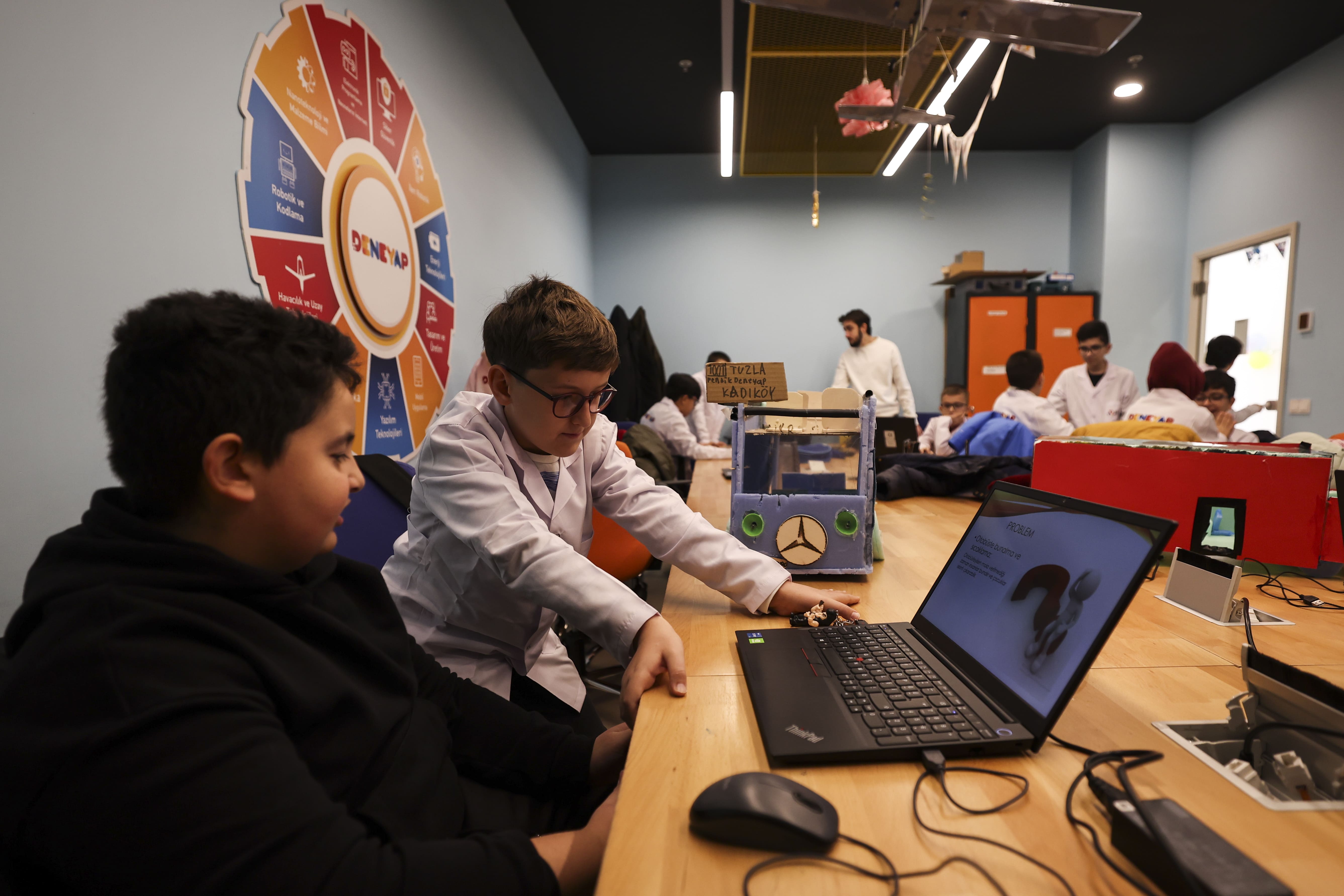
Within the scope of DENEYAP Türkiye, students receive free and applied training in 11 different technology areas. These areas offer a structure that supports gaining competence in basic technologies as well as deepening knowledge in specific fields of interest:
- - Design and Production
- - Robotics and Coding
- - Electronic Programming and the Internet of Things (IoT)
- - Materials Science and Nanotechnology
- - Software Technologies
- - Energy Technologies
- - Cybersecurity
- - Mobile Applications
- - Advanced Robotics
- - Artificial Intelligence
- - Aviation and Space Technologies
The trainings are carried out within a two-stage structure lasting 36 months. During the first 24 months, students receive applied training in these fields within the project-based course period. In the last 12 months, within the scope of the Teaming Period, students work in teams to prepare for competitions and exhibition organizations.
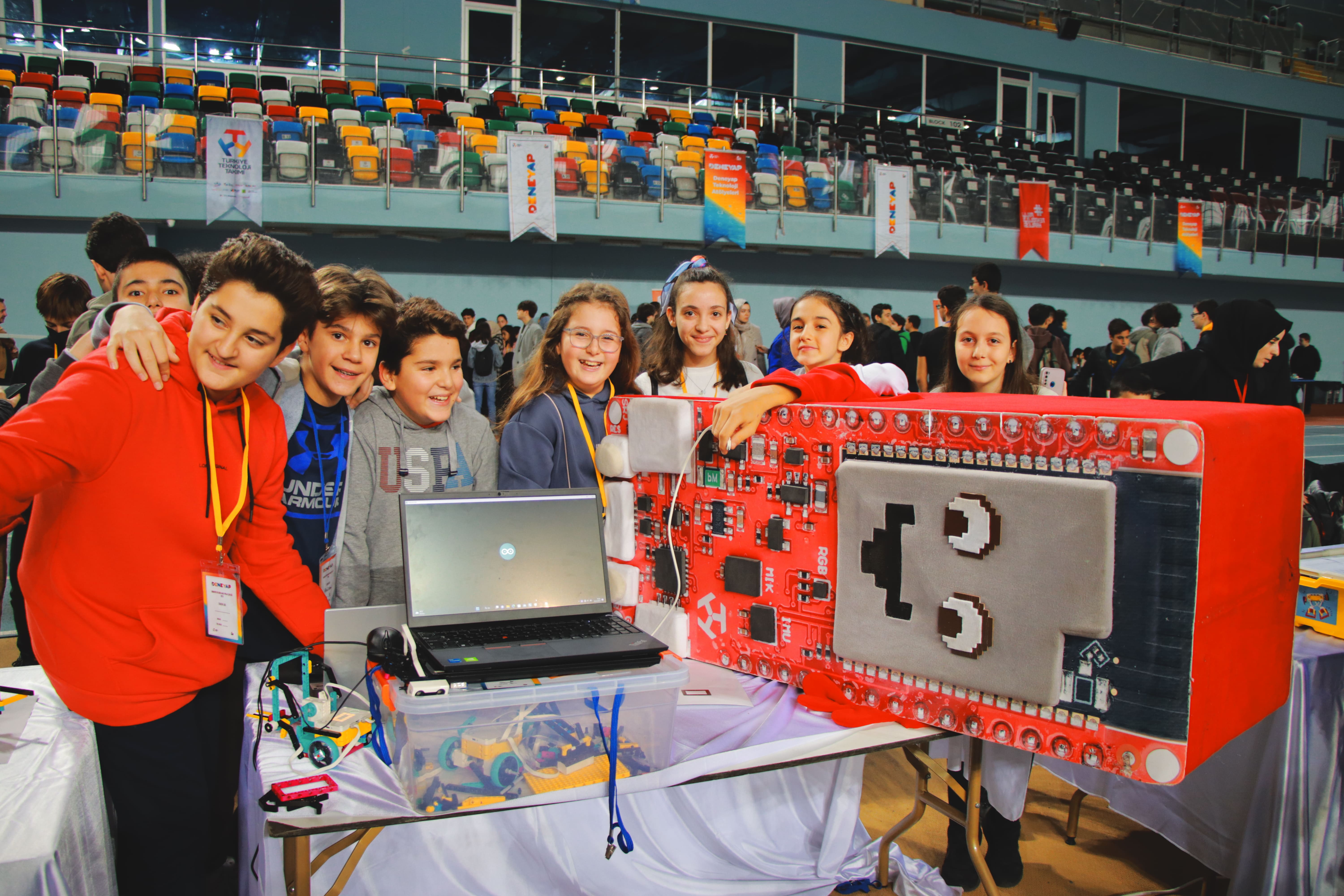
As an outcome of the project-based and applied approach, the aim is for students to develop their research skills, produce prototypes, plan their time effectively, and exhibit their projects at Project Festivals.